The Dirty Power Pitch
Cybersecurity Awareness Month — Week 2
Even with a technical background, I had to Pause—Check—Decide.

Introduction
An internet sales presentation promised to reduce household electricity bills by as much as 50% by cleaning up “dirty power.” That was an attention-getting claim. As a homeowner with a solar system, I wanted to hear the explanation.
My background includes computer system installation planning. I am familiar with electrical power-quality concerns and the equipment used to address them. Power distortion does exist, and properly selected equipment can help with specific problems. Professional equipment and installation can also be expensive.
That familiarity gave me a reason to listen. It did not give me a reason to buy.
An Explanation That Sounded Familiar
The presentation began by describing electrical noise, distortion, and whole-house filtering. It suggested that a reasonably priced device could address those problems while delivering substantial savings on utility bills.
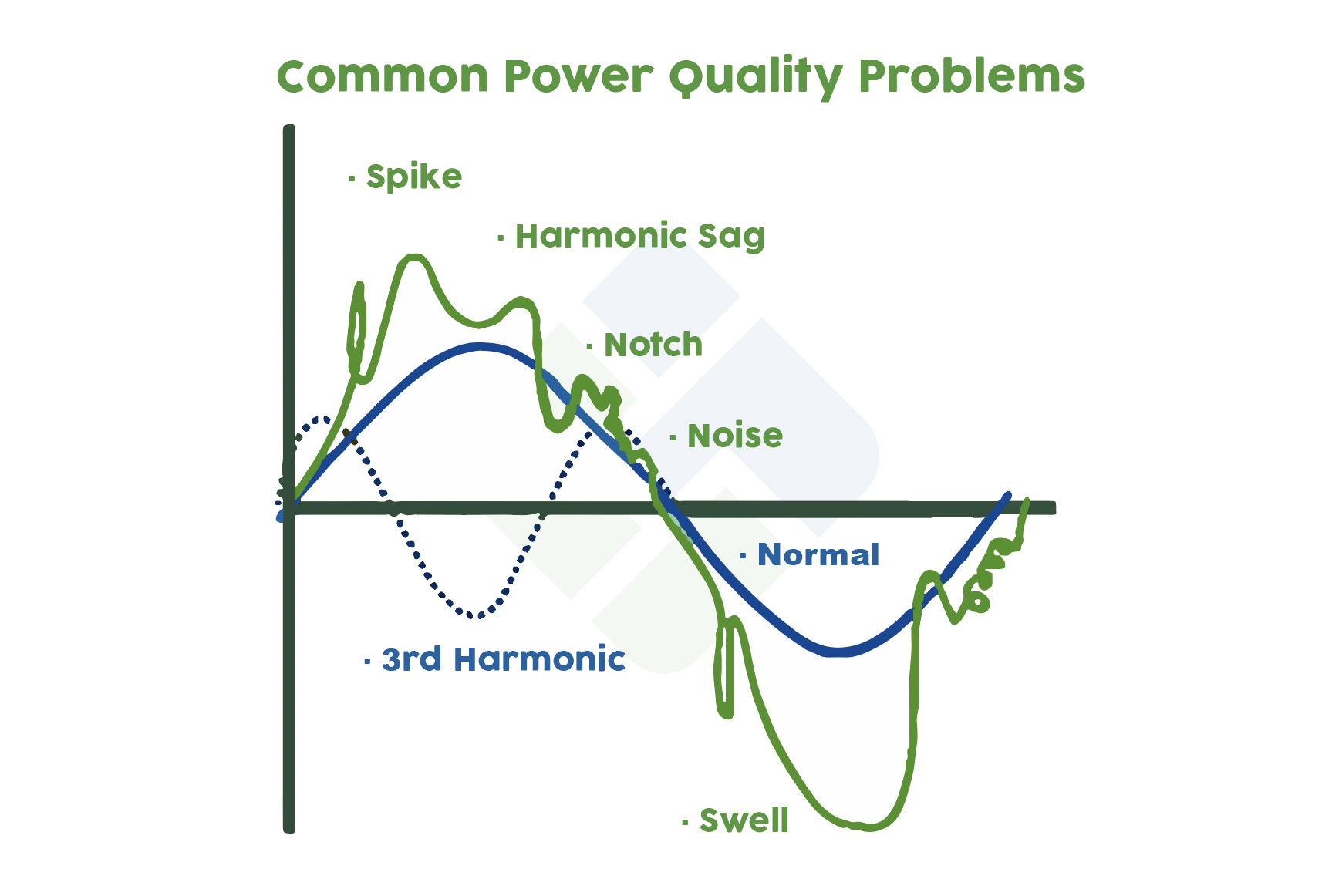
The pitch also implicated my net-metered solar system. It described the movement of electricity between the house and the utility grid as a source of electrical noise.
Those statements raised questions. Was there evidence of a problem with my system? Had anyone measured it? Would the proposed equipment address an actual condition in my home?
A seller’s explanation could not answer those questions by itself.
The Product Changed at the End
I followed the presentation for nearly 30 minutes. Throughout most of it, the discussion led me to expect equipment intended to treat power for the entire house.
Then, at the very end, the product appeared: a small device that could be plugged into an ordinary household outlet.
That was the moment the presentation lost credibility for me. The equipment finally offered did not match what the preceding technical explanation had led me to expect.
The presentation had established a concern, described a solution, and then offered a product without demonstrating that it could deliver that solution—or the promised 50% savings.
I Checked with an Independent Source
Because the presentation had pointed to my solar system as part of the problem, I contacted SolarEdge Support for its opinion. I wanted technical information about my equipment from a source independent of the seller.
That was a separate question from whether to purchase the plug-in device. Recognizing a questionable product did not automatically settle every technical statement made during the presentation.
Even with my background, I had to Pause—Check—Decide.
Real Terms Do Not Prove a Sales Claim
A presentation can use genuine technical terms and still leave its central promise unsupported.
“Electrical noise,” “harmonics,” and “power conditioning” describe real subjects. Their presence in an advertisement does not establish that your home has a problem, that the offered device will solve it, or that your utility bill will fall.
The National Institute of Standards and Technology explains that capacitor-type power-factor correction devices do not reduce a typical household electricity bill. A demonstration of reduced electrical current is not, by itself, proof of reduced billed energy.
The question for the buyer is straightforward: What independent evidence supports the savings promised for this particular product?
Pause—Check—Decide
Pause before purchasing. A large savings promise deserves careful examination. Give yourself time to consider the actual product after it is revealed.
Check independently. Ask your utility, equipment manufacturer, or a qualified professional who is not selling the device. Look for evidence that applies to the product and your circumstances.
Decide from the evidence. Ask whether the seller has demonstrated the problem, shown that the product addresses it, and substantiated the promised savings. If those connections are missing, you have a sound reason to decline.
The Practical Lesson
You do not need an engineering background to notice when a sales presentation changes direction.
Watch for a product revealed only after a lengthy explanation. Ask whether it matches what you were led to expect. Be cautious when a seller blames equipment you already own without providing measurements or independent findings.
In this case, my experience helped me recognize the mismatch. The step that mattered most was taking time to verify the claim before spending money.
Pause—Check—Decide applies even when the subject sounds familiar.
Further Reading
NIST Team Demystifies Utility of Power Factor Correction Devices